Country Report: Ireland October 2026

By Senan Monks

Historical atrocities like the Cromwellian Conquest, the Great Hunger and Bloody Sunday shape Irish national memory, as does past discrimination of Irish immigrants in the United Kingdom and United States. Today, minorities within Ireland face similar prejudice.
Mincéirí (Irish Travelers) are a native, traditionally nomadic ethnic group of around 33,000 people with a history of severe marginalization. Post-independence state-building excluded them, 20th century reports recommended assimilation, and hate crimes were common, such as an 1970 Galway mob attacking Annie Furey’s home. Despite 2017 formal ethnic recognition and NGO advocacy groups like Pavee Point, anti-Mincéir racism persists. In the 2018 presidential elections, Peter Casey finished second with almost 25% of the vote after making anti-Mincéir comments during his campaign. In 2020, an arson attack significantly damaged a home that the local council had allocated to a Mincéir family. Following an August 2026 road accident involving Mincéir community members, online users targeted Mincéirí with a wave of racist abuse. Racist abuse drives high suicide rates among Mincéirí, accounting for ~11% of community deaths, six times the national average. Mincéirí also face structural discrimination in accessing employment and a lack of political representation.
The 16,000 Roma in Ireland experience widespread discrimination in employment, housing, and social services. Lifelong young Roma residents face social exclusion and racism. Women often avoid wearing traditional Roma dress in public to escape racist abuse. Although the Irish government has laid out plans to address anti-Roma bias, institutional distrust runs deep. Only 5% of Roma who experienced discrimination reported it, and police trust is over 20% lower than the national average. Past incidents, like the 2013 wrongful removals of Roma children for several days over unfounded abduction fears, have contributed to distrust.
Anti-immigrant sentiment has been rising in Ireland. Arson attacks on buildings that the state designates for asylum seekers and mob intimidation targeting residents in International Protection Accommodation Service (IPAS) centers have become increasingly common. In November 2023, after an Irish citizen, originally from Algeria, stabbed a young girl, a large anti-immigrant riot broke out in Dublin, causing widespread fear and destruction. Although there is no strong far-right presence in the national parliament, critics have accused mainstream politicians of contributing to xenophobia. Earlier this year, former Taoiseach (Prime Minister) Bertie Ahern was discreetly recorded making racist comments while canvassing. The government has increased deportation orders and recently introduced laws that make Irish citizenship harder to acquire.
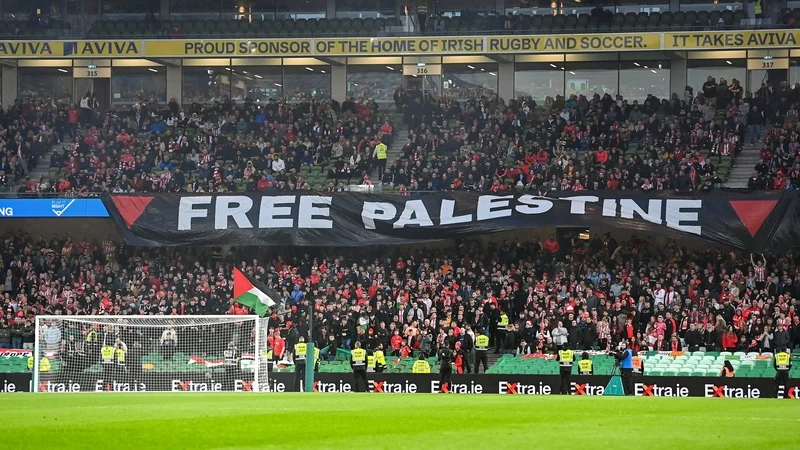
Black Irish people have experienced racist stereotyping, racial slurs, and attempts to deny their ‘Irishness.’ Many people report that Irish society denies that racism is an issue due to the country’s anticolonial past and solidarity with Palestine. This reached a peak in May 2026, when security guards killed Yves Sakila in a Dublin department store after kneeling on his neck for over four minutes. Irish people of Asian descent have also experienced racist abuse. Far-right actors have repeatedly harassed former Mayor of Dublin Hazel Chu. In August 2020, a group of teenagers pushed Xuedan Xiong into a canal. This evokes memories of prior anti-Asian hate crimes in Ireland such as the murder of Zhao Liutao.
Minorities in Ireland suffer racist abuse and hate crimes. This, combined with recent government policies increasing deportation orders and tightening citizenship requirements, means that Genocide Watch assesses Ireland at Stage 1: Classification and Stage 3: Discrimination.
Genocide Watch recommends:
The police and public prosecutors must enforce sanctions for hate speech, including hate speech by politicians.
The government must implement programs to build trust between minorities and the police.
The government must employ observers to ensure that officials carry out deportation orders while respecting human rights.
An independent commission should investigate how new citizenship laws will affect Ireland’s vulnerable immigrant communities.
Public media must empower minority groups to share their experiences with racism to challenge the denial of racism as an issue in Irish society.